What Is Manglik Dosha, Myths, Meaning, and Marriage Impact

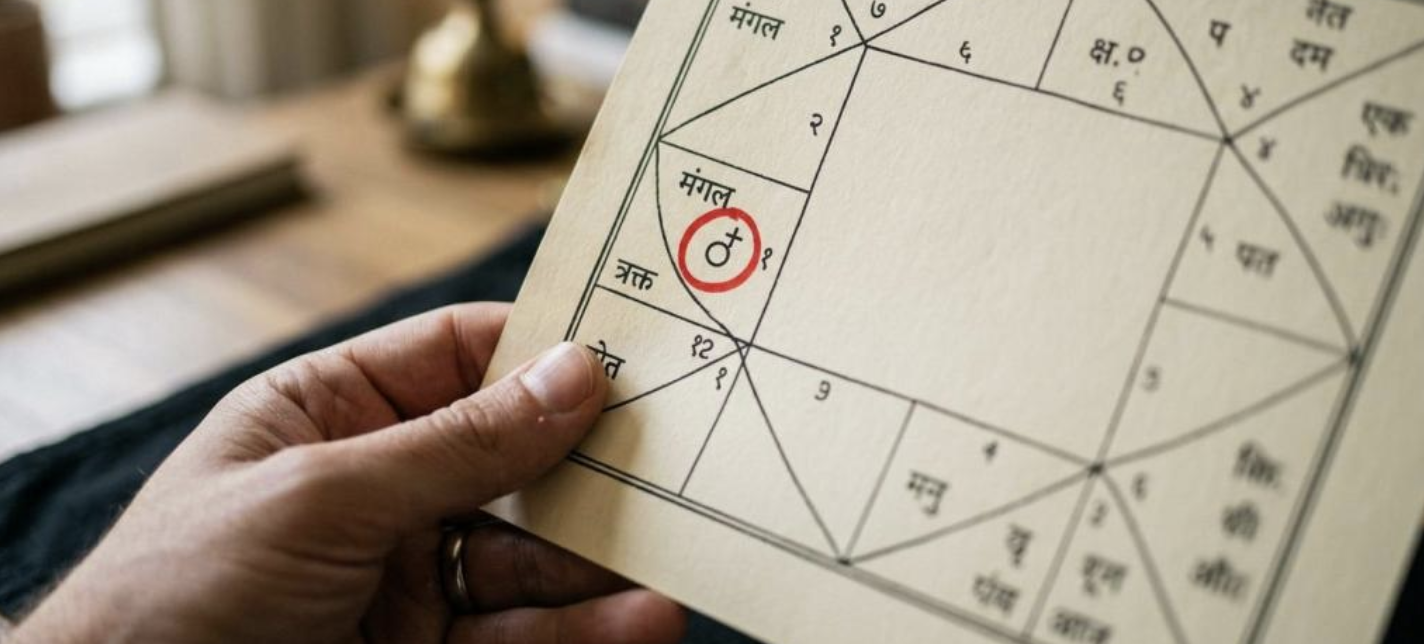
Understand manglik dosha, its real meaning, marriage impact, common myths, and how chart factors can reduce or cancel its effects.
Manglik Dosha is one of the most talked-about topics in Vedic astrology, especially when marriage comes up. It also happens to be one of the most misunderstood.
For many people, hearing the word “Manglik” brings instant worry. Families may assume it means delays, conflict, or a difficult married life. Yet the actual astrological idea is narrower than the social fear built around it. A chart is never judged by one placement alone, and that matters a lot here.
Manglik Dosha meaning in Vedic astrology
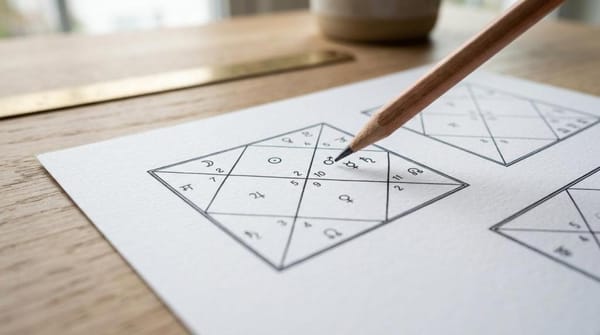
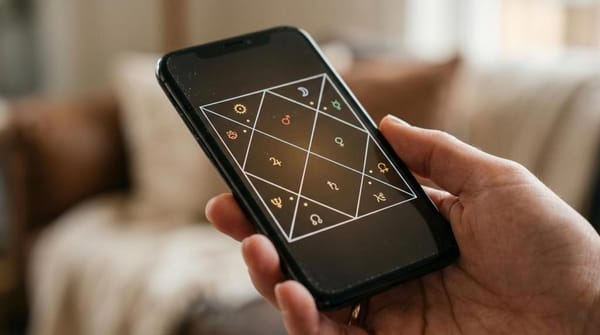
Manglik Dosha, also called Mangal Dosha or Kuja Dosha, refers to a specific placement of Mars in the birth chart. In classical Vedic astrology, Mars is seen as a fiery, forceful planet linked with courage, heat, action, temper, and drive. When that energy lands in certain houses, astrologers say it can put pressure on domestic peace, emotional balance, or married life.
The most commonly checked houses are the 1st, 4th, 7th, 8th, and 12th from the Ascendant. Many modern astrologers also include the 2nd house. Some traditions also examine Mars from the Moon chart and from Venus, especially when assessing relationships.
That is why two people can both be called “Manglik” while the actual strength of the dosha is very different.
Tradition or approach | Houses commonly checked for Manglik Dosha |
|---|---|
Classical Parashara-based reading | 1, 4, 7, 8, 12 |
Common modern North Indian practice | 1, 2, 4, 7, 8, 12 |
Some South Indian approaches | 2, 4, 7, 8, 12, with chart-specific variation |
Expanded relationship-focused reading | Same houses checked from Lagna, Moon, and sometimes Venus |
A simple label rarely tells the whole story. Mars in one of these houses may create dosha by rule, but the chart still needs deeper reading before anyone says how serious it is.
Why Mars is linked with Manglik Dosha
Mars is not a “bad” planet in a blanket sense. It gives stamina, courage, competitive spirit, leadership, and the will to act. Many strong achievers have a powerful Mars. The issue comes up when that same intensity enters parts of the chart tied to home, speech, partnership, intimacy, and emotional response.
In marriage readings, astrologers pay close attention to whether Mars creates impatience, sharp reactions, ego clashes, or restlessness. A strong Mars can make a person bold and passionate, but if it is unsupported, that passion may turn into friction.
The house placement changes the tone:
- 1st house: directness, impatience, strong personal will
- 2nd house: harsh speech, family tension
- 4th house: unrest at home
- 7th house: friction in partnership
- 8th house: strain around trust, intimacy, or shared burdens
- 12th house: emotional distance, disturbed peace, hidden frustration
None of that means a person is destined for a failed marriage. It means Mars needs to be read with maturity, context, and balance.
Common Manglik Dosha myths and what they actually mean
The biggest problem with Manglik Dosha is not Mars. It is exaggeration.
Over time, a technical astrological rule turned into a social warning label. People began treating “Manglik” as if it were a fixed curse. That is far from how a careful Jyotish reading works.
A strong chart can soften the dosha. Benefic influence from Jupiter, Venus, or Moon can reduce it. Matching with another Manglik may neutralize it in some traditions. Age, maturity, dasha periods, and the condition of the 7th house also matter. That is why fear-based one-line predictions do more harm than help.
Some myths are especially common:
- Myth: A Manglik person will harm their spouse.
- Reality:** Classical texts discuss difficult outcomes in specific conditions, not as a universal rule. Many Manglik people have stable, loving marriages.
- Myth: A Manglik must marry only another Manglik.
- Reality:** Matching two Manglik charts is one traditional solution, but not the only one. Cancellation rules and chart balance can change the picture.
- Myth: Manglik Dosha means marriage will be delayed or denied.
- Reality:** Delays can happen in many charts for many reasons. Manglik Dosha alone does not decide timing.
- Myth: Rituals alone fix everything.
- Reality:** Remedies may offer spiritual support, but relationship quality still depends on communication, values, trust, and family dynamics.
This is where a calm reading helps. Astrology should give clarity, not panic.
Manglik Dosha and marriage impact in real life
Manglik Dosha is closely tied to marriage because several of the checked houses connect with partnership, family life, and emotional closeness. In kundli matching, it is often treated as a separate factor alongside Guna Milan, Nadi, Bhakoot, and the general strength of the marriage houses.
If Mars is creating pressure, the likely issues are usually framed around temperament rather than drama. The chart may show impatience, strong opinions, defensiveness, quick anger, or a tendency to dominate. In some cases, it can show stress in married life when other factors also agree.
That last part matters a lot.
Astrologers do not read Manglik Dosha in isolation. A chart with a Manglik placement may still support a very healthy marriage if the 7th house is strong, Venus is well placed, Jupiter protects the relationship, and the dasha periods are supportive. A chart without Manglik Dosha can still show partnership strain if other factors are weak.
Outside astrology, the label itself can create pressure during matchmaking. People may be rejected early, families may panic, and women often face harsher judgment than men. In many cases, the social fear causes more damage than the placement itself.
Here is what the impact often looks like in practice:
- extra caution in arranged matches
- pressure to perform remedies before marriage
- confusion caused by different astrologers using different rules
- emotional stress from being labeled “Manglik”
- avoidable rejection when the full chart was actually supportive
A friendlier way to see it is this: Manglik Dosha points to intensity. Intensity needs direction, not shame.
When Manglik Dosha gets canceled or reduced
This is one of the most important parts of the topic, and it is often skipped in casual conversations.
Many charts show Manglik Dosha by basic rule, yet the effect is reduced, balanced, or canceled. This is why an accurate reading cannot stop at “Mars is in the 7th house, so you are Manglik.” That is only the opening line.
Cancellation can happen through classical exceptions, beneficial aspects, sign strength, matching factors, and overall chart support. Some astrologers also note that the dosha may feel less intense after the late twenties, when Mars energy is handled with more maturity.
Several factors are usually checked before judging severity:
- Benefic support: Jupiter, Venus, or Moon influencing Mars or the marriage houses can reduce harsh effects.
- Both partners Manglik: Traditional matching often treats this as a balancing factor.
- Mars dignity: Mars in its own sign, exaltation, or a more functional role can change the outcome.
- House strength: A strong 7th house or 7th lord can protect marriage even if Manglik Dosha is present.
- Dasha timing: The dosha may be more active only in certain planetary periods.
- Partial dosha: Not every Manglik case has the same weight.
This is why two charts with the same Mars house placement can lead to very different life stories.
Manglik Dosha remedies and their place
Traditional remedies remain a big part of how families handle Manglik Dosha. These may include Mangal mantra recitation, Tuesday fasting, Hanuman worship, charity related to Mars, or ritual practices like Kumbh Vivah in certain communities.
For some people, remedies bring peace of mind and a sense of readiness. That has value. Ritual can help people feel centered, supported, and spiritually grounded before marriage.
Still, remedies work best when they are paired with honest chart reading and practical wisdom. If someone has a strong Mars, they may also need to work on patience, emotional regulation, conflict style, and communication. Astrology can point to the pattern. Personal effort changes how the pattern plays out.
A grounded view of remedies looks like this:
- spiritual support
- emotional reassurance
- family acceptance in traditional settings
- a symbolic reset before marriage
How to read Manglik Dosha wisely before marriage
A wise Manglik reading asks better questions than “Is this person safe to marry?”
It asks: How strong is Mars? Which house is involved? Is the dosha checked from Lagna only, or also from Moon and Venus? Is there cancellation? What is happening in the 7th house, the 7th lord, Venus, Navamsa, and current dasha? How does the other chart respond?
That kind of reading is far more useful than a yes-or-no label.
If you are checking Manglik Dosha for yourself or for a match, keep these points in mind:
- Check the full chart: One placement never tells the whole marriage story.
- Compare both charts: Matching matters more than a single chart in isolation.
- Ask about cancellation rules: Many feared cases are not as severe as they first appear.
- Look at real compatibility: Emotional maturity, respect, and shared values still matter deeply.
A precise birth chart helps here. Even a small birth time error can shift houses and change whether Mars is counted in a dosha position. That is one reason accurate kundli calculation matters before anyone makes a major marriage decision.
For people who want a clear and modern way to check their chart, tools like StarYaar can help map Mars placements, dosha rules, and marriage factors with less confusion. The useful part is not the label itself. It is getting a fuller reading that shows both risk and strength, so the chart feels like guidance instead of fear.